Many employers have historically taken comfort in the fact that employees generally require two years’ service before they can bring an ordinary unfair dismissal claim. However, with the qualifying period due to reduce to six months from January 2027, employers may need to rethink how they approach workplace issues and employee management. Organisations that have not established clear and consistent procedures for addressing concerns may find themselves facing greater legal risk than they have previously experienced.
One of the most common challenges employers face is allowing concerns about performance, conduct, attendance or workplace behaviour to drift without formal intervention. Managers are often reluctant to have difficult conversations, however, by postponing discussions or failing to address concerns when they first arise, employers can inadvertently create more significant issues later.
Early intervention is rarely about immediately commencing a formal procedure. In many cases, an informal discussion will be the most appropriate starting point. Such conversations provide an opportunity to clarify expectations, understand whether there are any underlying factors affecting the employee’s performance or conduct, and identify what support may be required. They also provide employers with a contemporaneous record that concerns were identified and addressed at an early stage. Where concerns then persist, employers should ensure they have a clear process that enables issues to be managed fairly and consistently.
The forthcoming changes serve as a timely reminder for employers to review not only how workplace concerns are managed in practice, but also whether the appropriate frameworks are in place to support managers. Many organisations have well-established disciplinary procedures but have no standalone capability policy. Whilst disciplinary procedures remain important, they do not usually provide the structure required to manage capability concerns fairly and effectively. As employees acquire unfair dismissal protection more quickly, having a clear capability procedure is likely to become increasingly important.
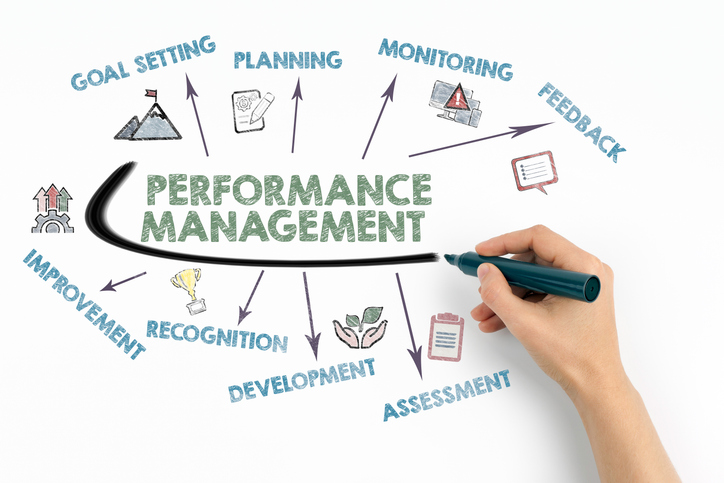
Employers should also consider whether those responsible for managing staff have received appropriate training on performance management. Even the best policies will have limited value if managers lack the confidence or knowledge to identify issues early, hold constructive conversations, set clear expectations and document concerns appropriately. Investing in management training can help ensure that issues are addressed consistently and before they become more significant problems.
Before the New Year turns and the changes come into force, it is advisable that businesses undertake a broader review of existing employment documentation. Contracts of employment, job descriptions, and offer documentation should accurately reflect each role and identify the standards, duties and objectives expected of employees.
If you are considering taking action in relation to an employee’s performance, or would like to review your existing policies or procedures, please do not hesitate to contact Jake King at jake.king@fsp-law.com or another member of our Employment Team here to discuss the potential impact of these changes on your organisation and what you can do to prepare for the new requirements.
This article is for information only and does not constitute legal advice. We recommend seeking professional advice before taking any action on the information provided. If you would like to discuss your specific circumstances, please feel free to contact us on 0118 951 6200.
